Close
Population management is often associated with data, demographics, planning, and technical expertise. Yet behind every successful programme lies something equally important: connection.
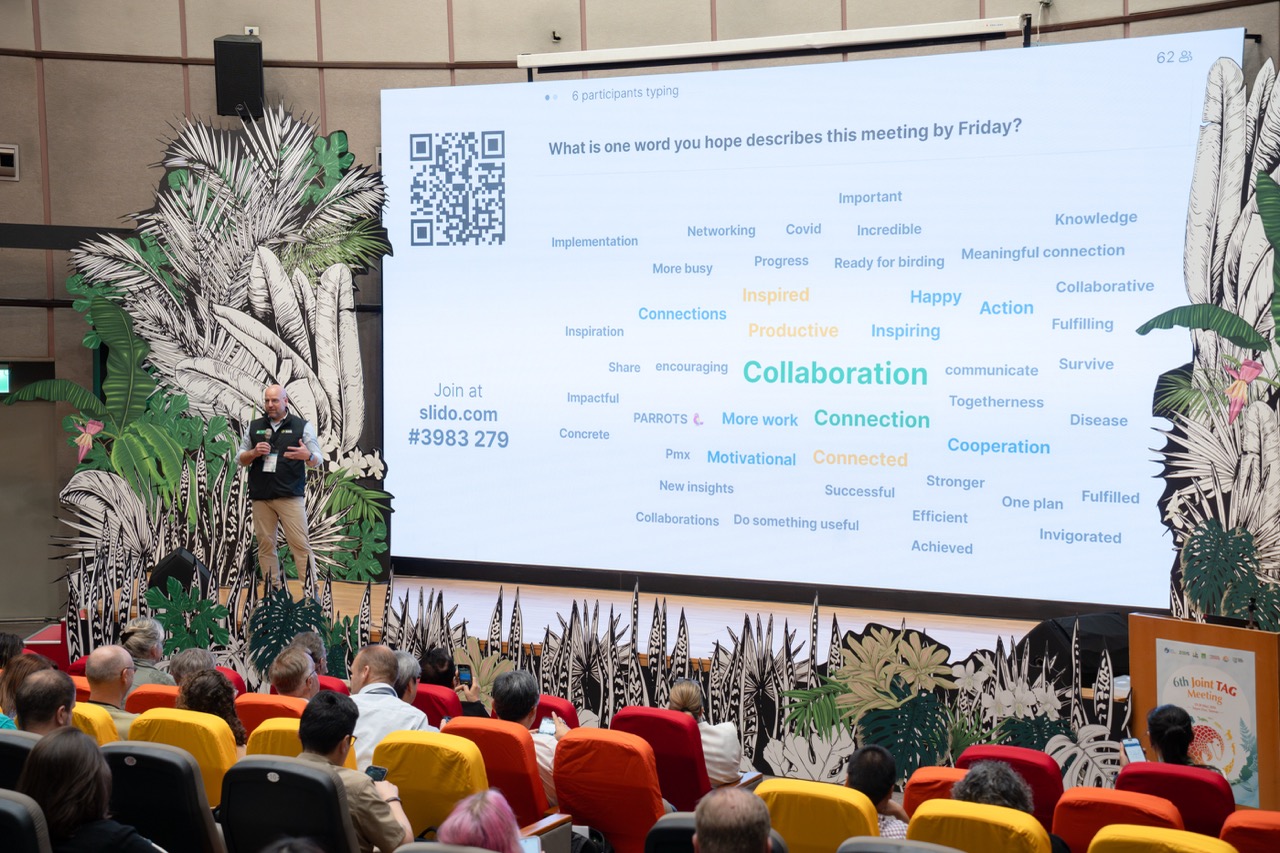
Connection between people. Connection between institutions. Connection between regions. Connection between ex situ and in situ conservation. And ultimately, connection between knowledge and action.
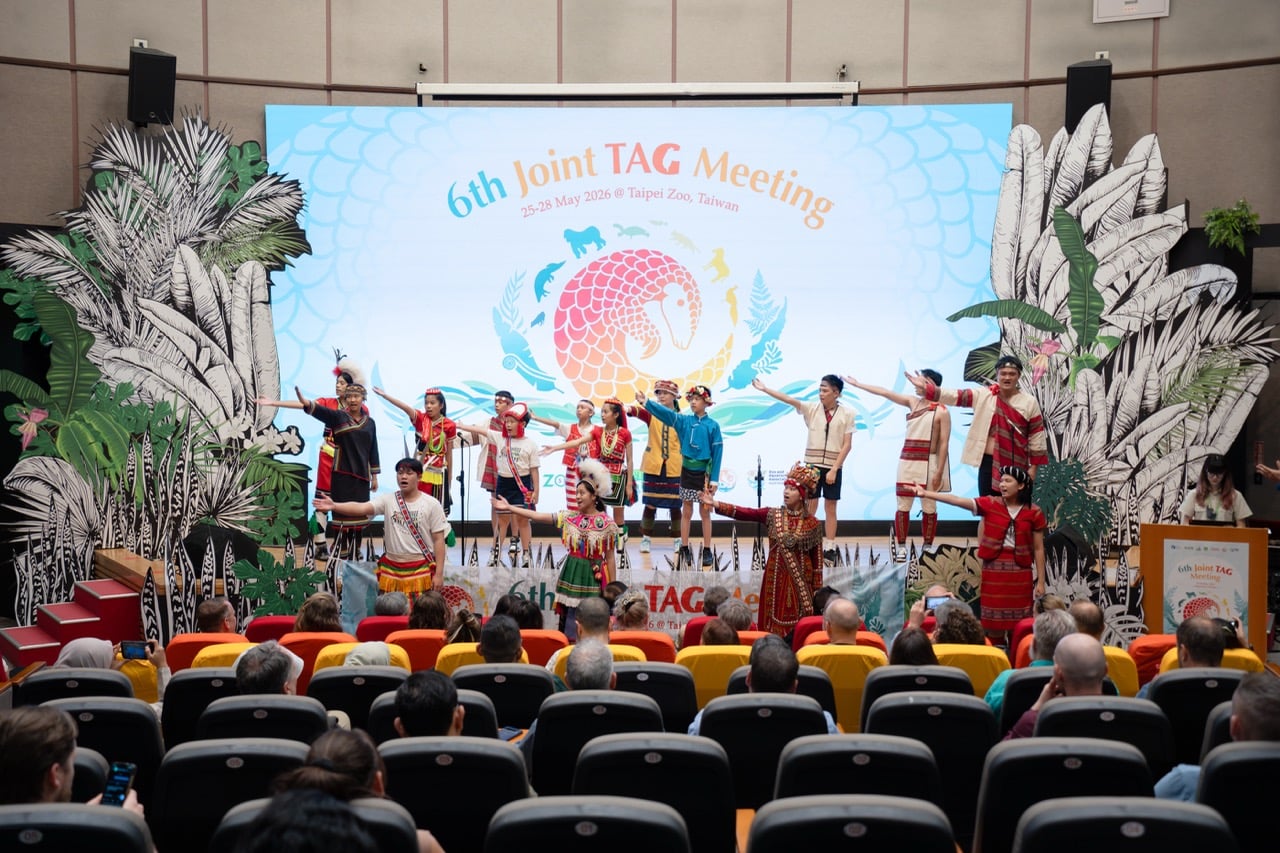
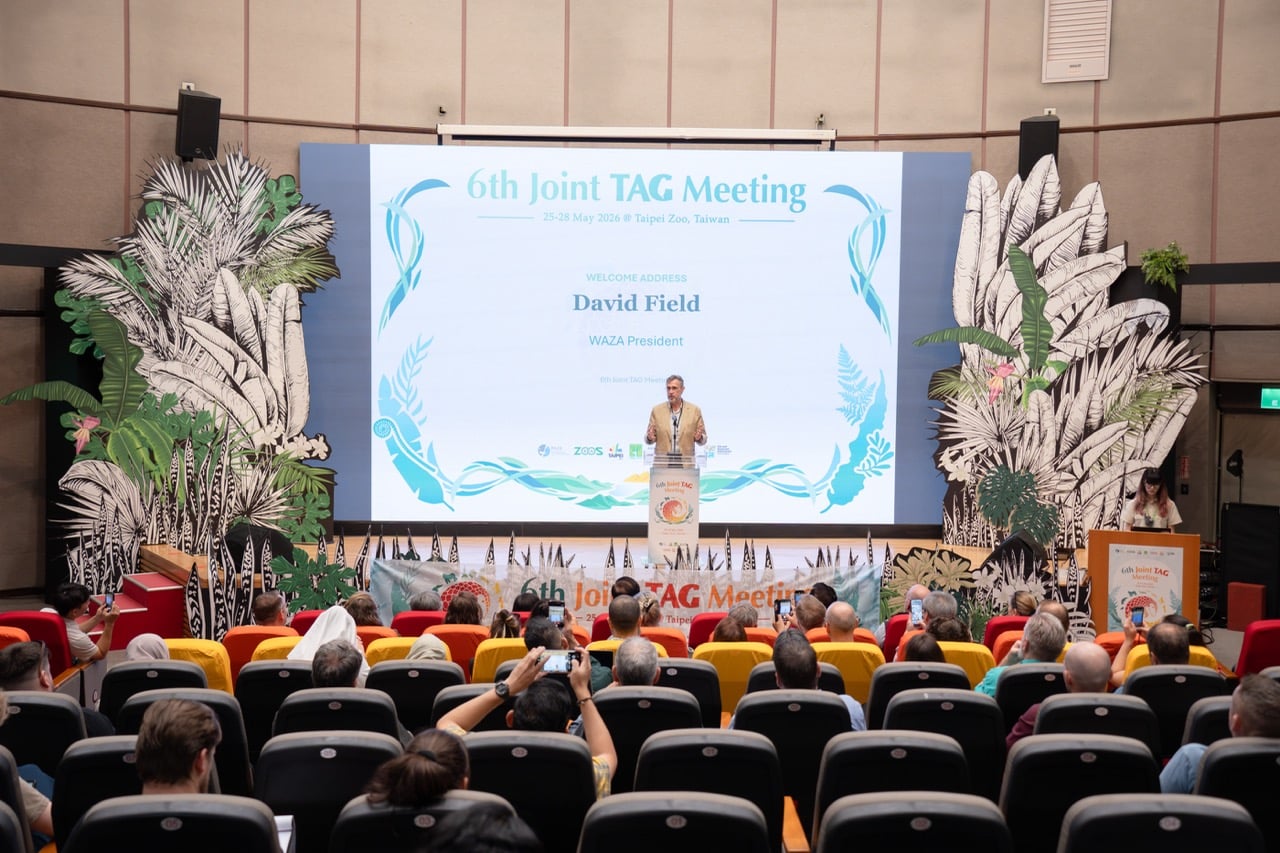
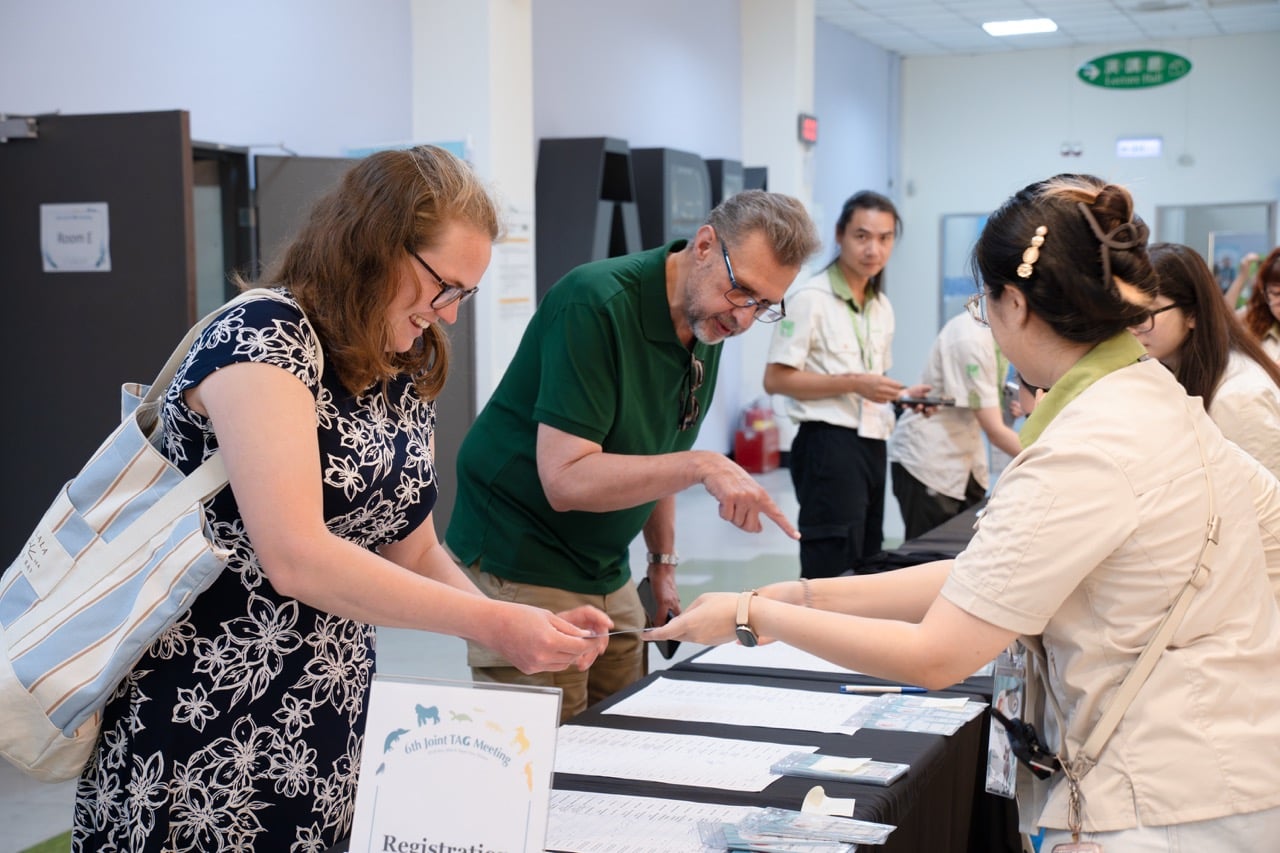
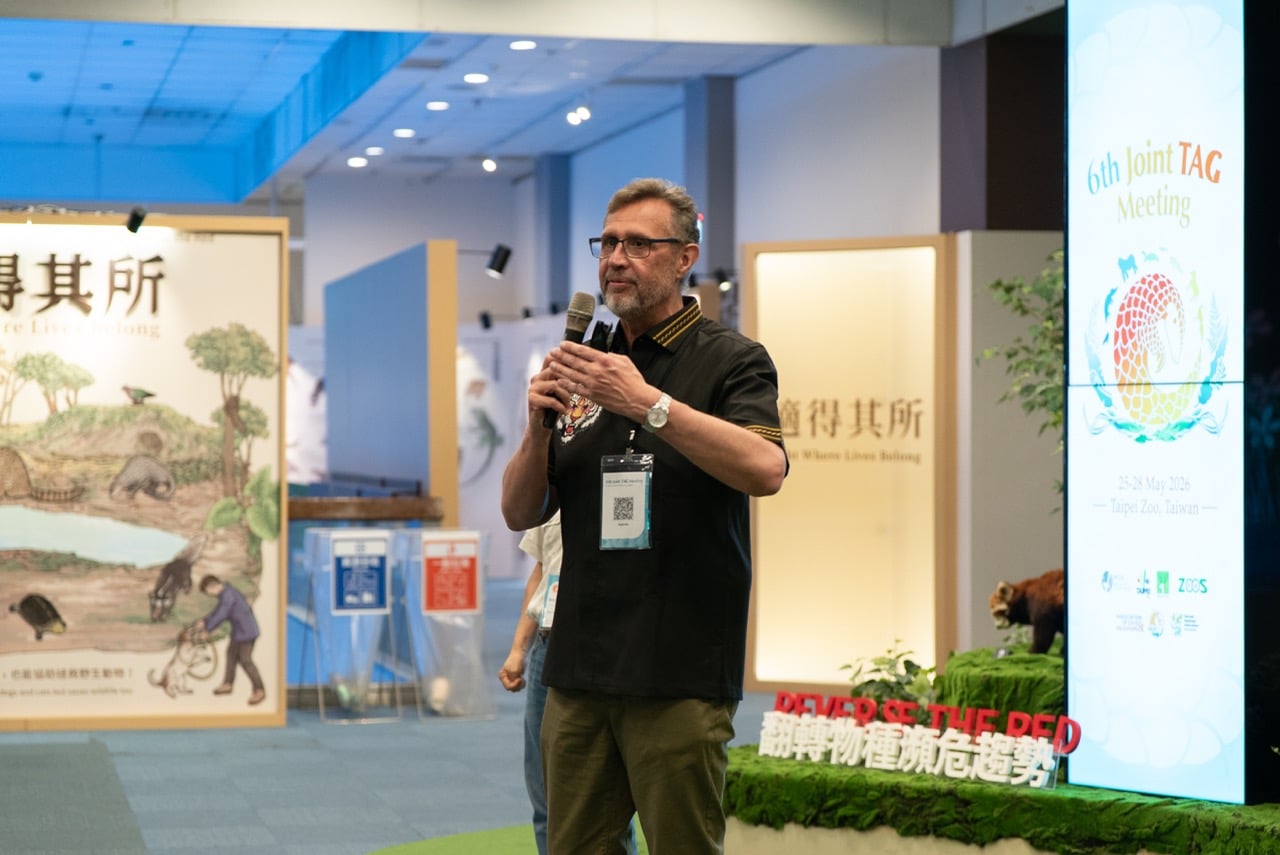
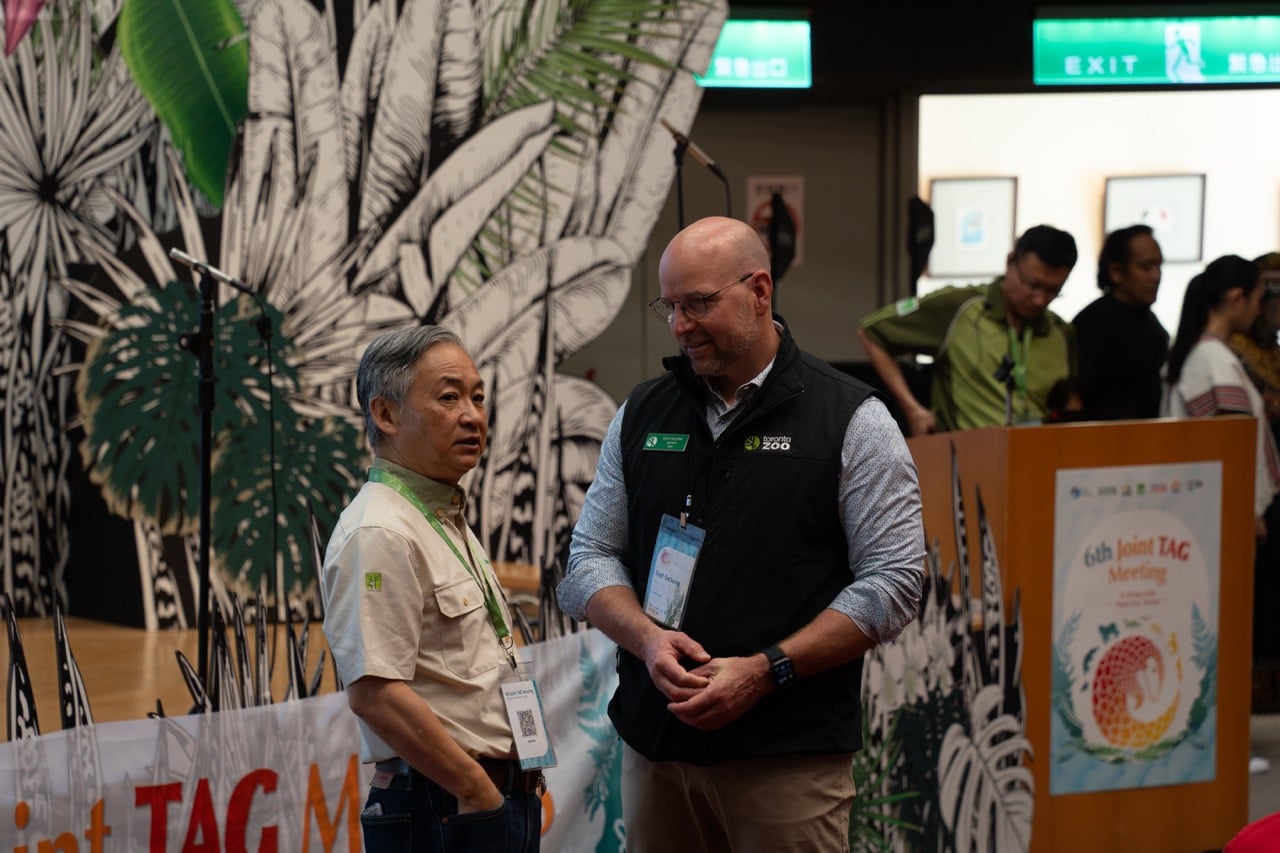
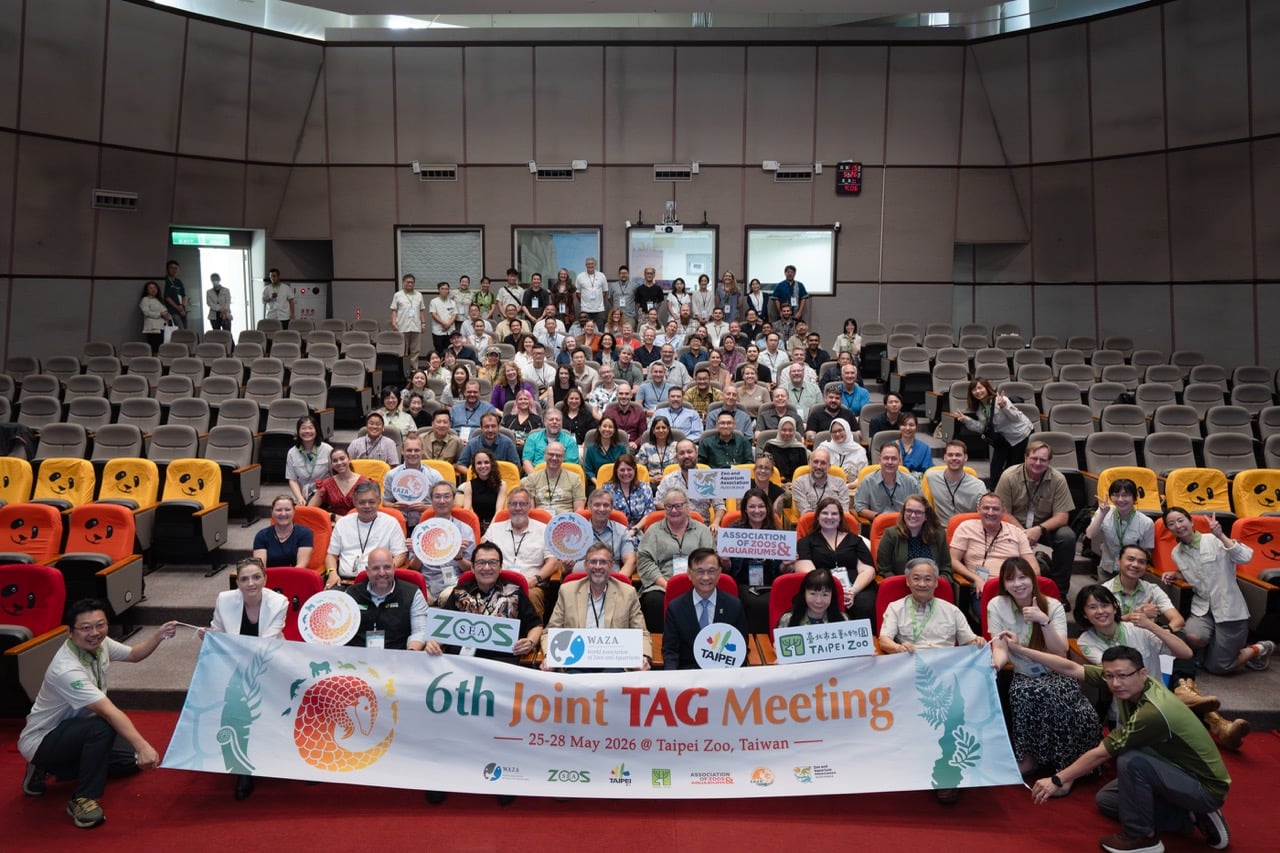
From 25–28 May 2026, these connections took centre stage as 117 participants from 23 countries and 75 organisations gathered at Taipei Zoo for the 6th Joint TAG Meeting (JTAG), marking the first time this flagship event has been hosted in Asia.
Over four days, colleagues from across the global zoo and aquarium community came together to exchange knowledge, strengthen partnerships, and explore how closer collaboration can help deliver stronger conservation outcomes for species worldwide.
The Joint TAG Meeting remains one of the most important opportunities for population management professionals to connect across regions, disciplines, and taxa.
This year’s programme highlighted the growing importance of building stronger links between ex situ and in situ conservation efforts, while exploring how institutional population management contributes to broader global conservation priorities, including WAZA’s 2027 Population Management Goal, the 2030 Conservation Goal, and the targets of the Kunming-Montreal Global Biodiveristy Framework (KMGBF) under the Convention on Biological Diversity (CBD).
As the first JTAG to take place in Asia, the meeting also provided a valuable opportunity to deepen connections with colleagues from across the region and learn from diverse experiences, perspectives, and approaches.
Throughout the week, one message became increasingly clear: meaningful conservation outcomes depend on meaningful collaboration.
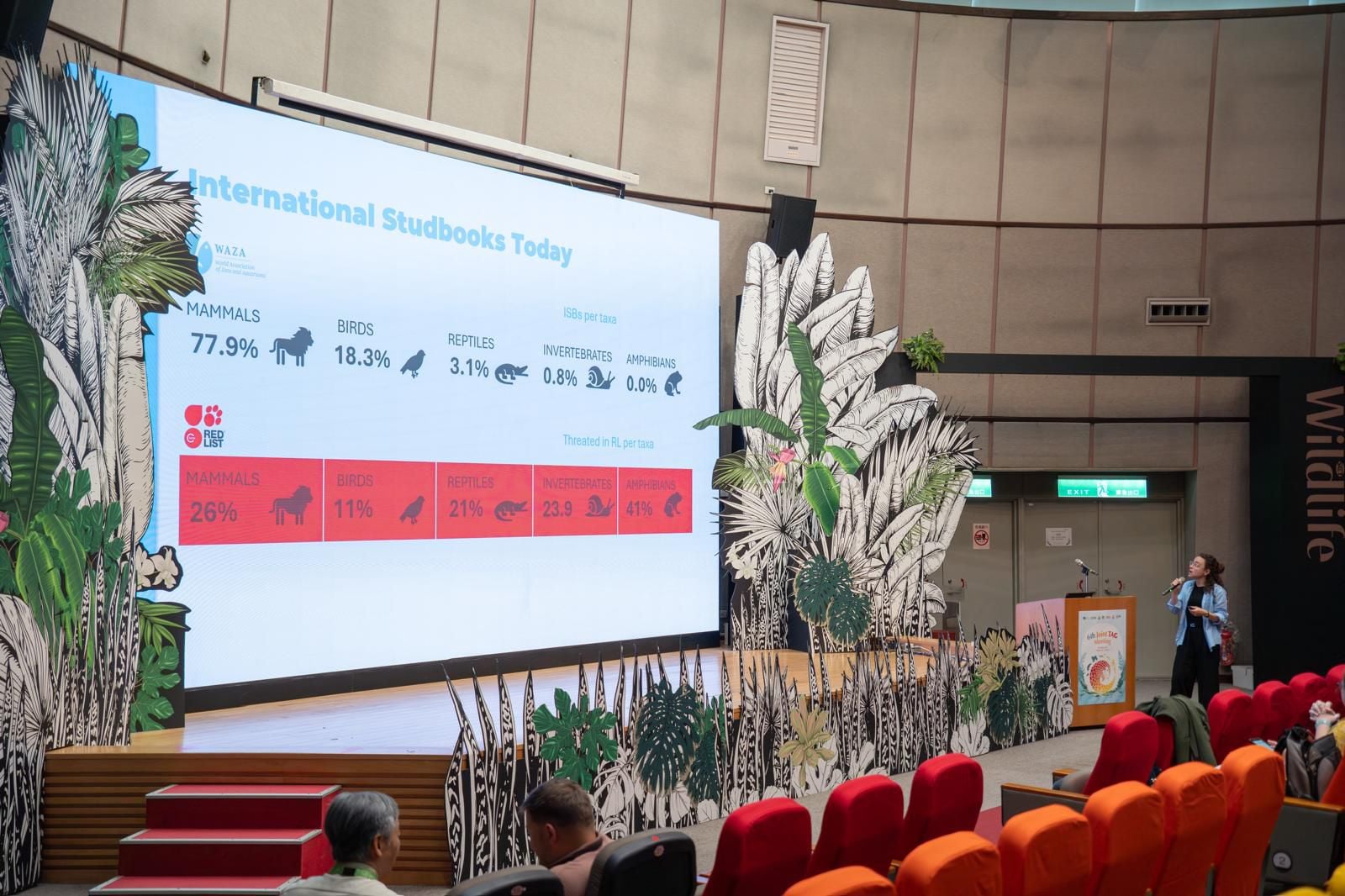
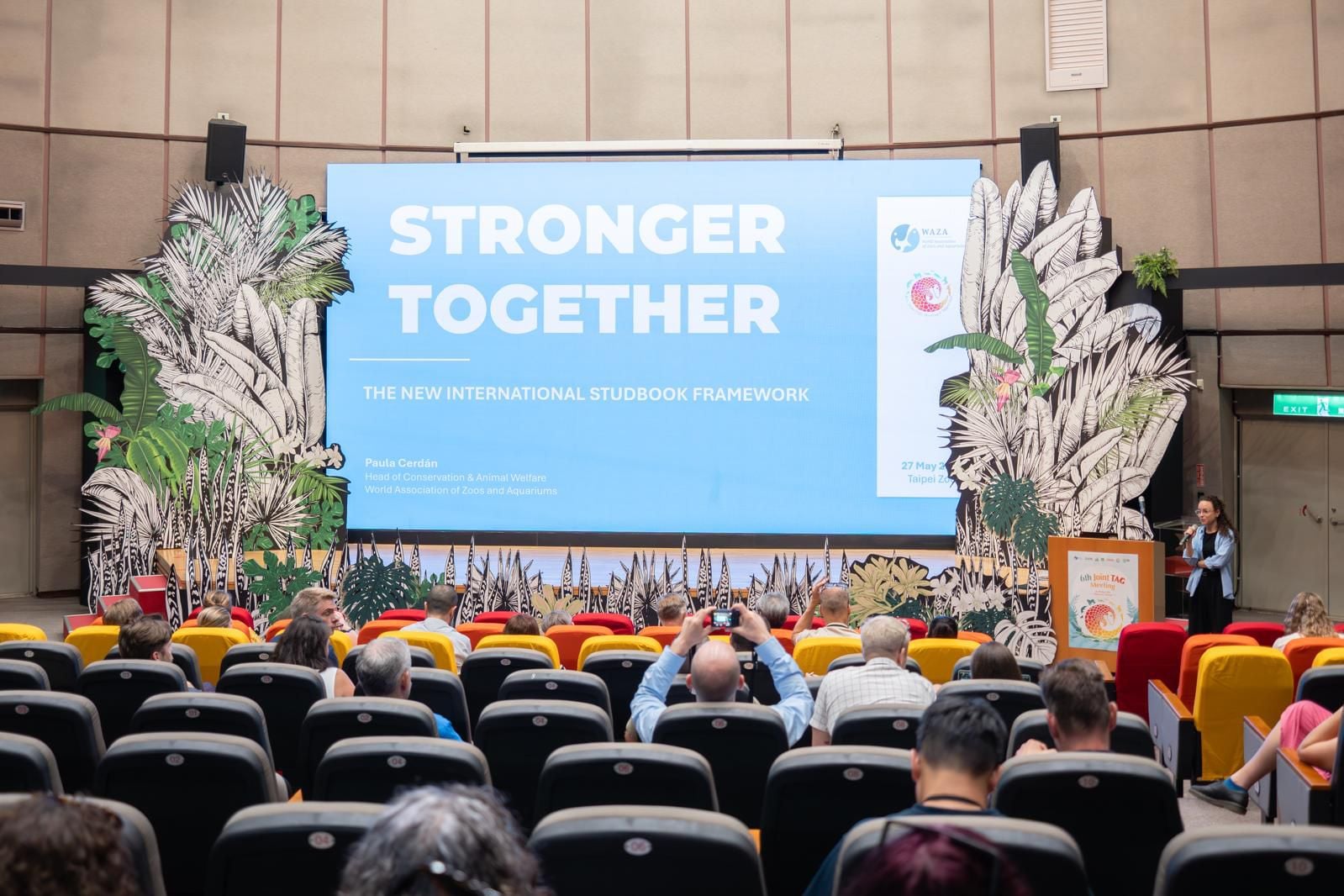
One of the most significant milestones of the meeting was the celebration of the launch of WAZA’s new International Studbook (ISB) Framework.
Developed over more than eighteen months through a collaborative process led by the WAZA Committee for Population Management (CPM), the framework represents a major step forward in strengthening the governance, management, and long-term sustainability of international studbooks.
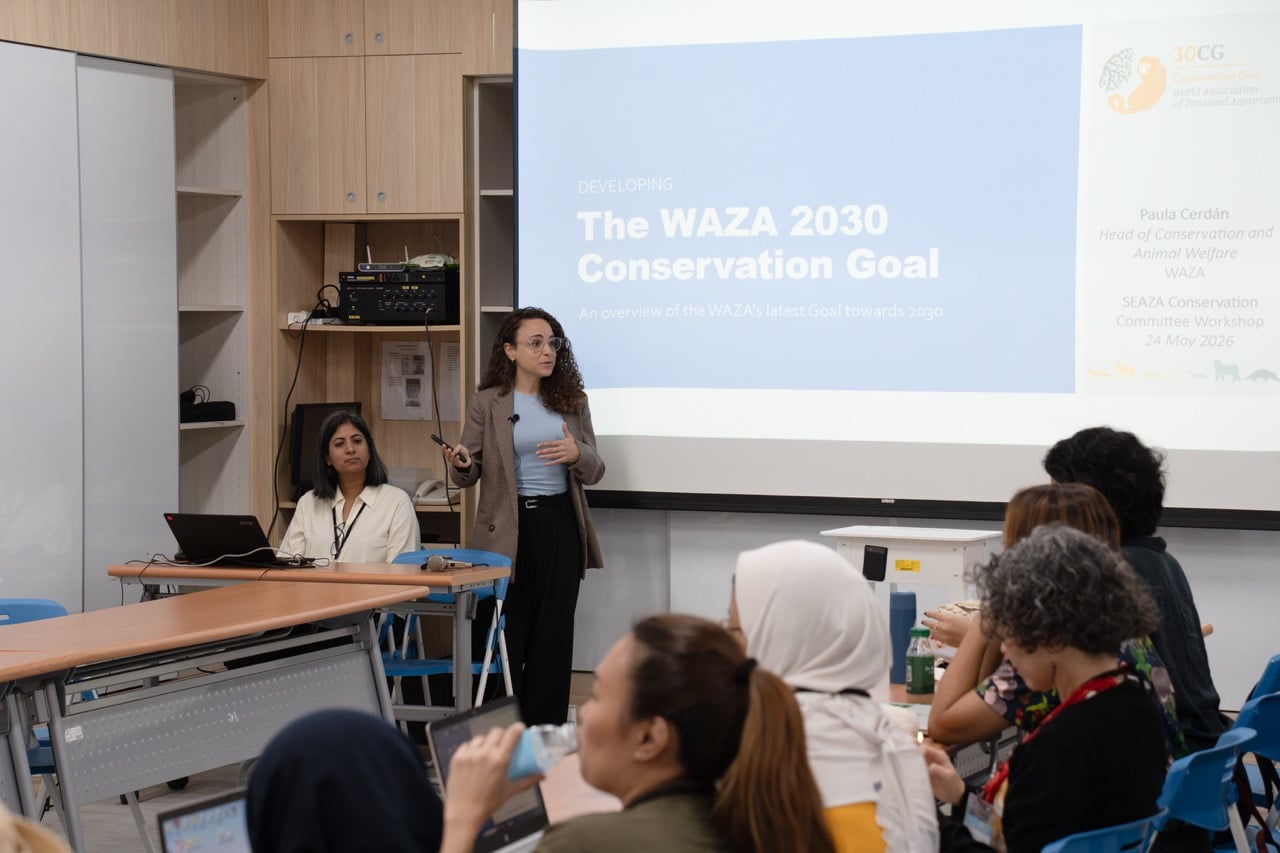
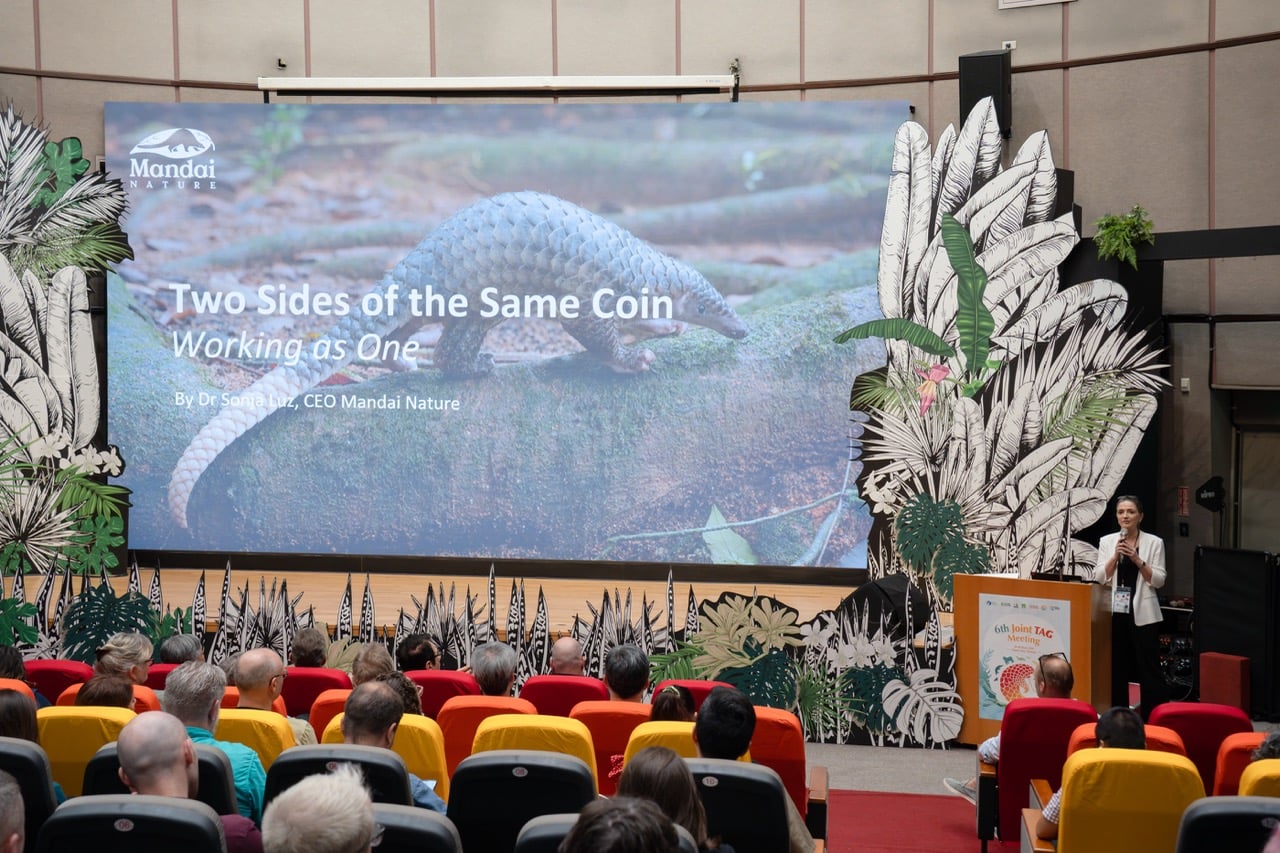
Presented by Paula Cerdán during the second day of the meeting, the framework reflects the shared commitment of the global zoo and aquarium community to maintaining robust, collaborative species datasets that support informed decision-making and coordinated conservation action.
In many ways, the new framework embodies the central theme of the meeting itself: creating stronger connections. By supporting greater collaboration around global species data, the framework helps connect institutions, regions, expertise, and conservation efforts in ways that ultimately benefit species recovery.
Ahead of the JTAG, CPM committee members also convened a dedicated workshop to explore implementation pathways and identify practical next steps for the framework’s rollout, ensuring that this important milestone is translated into meaningful action.
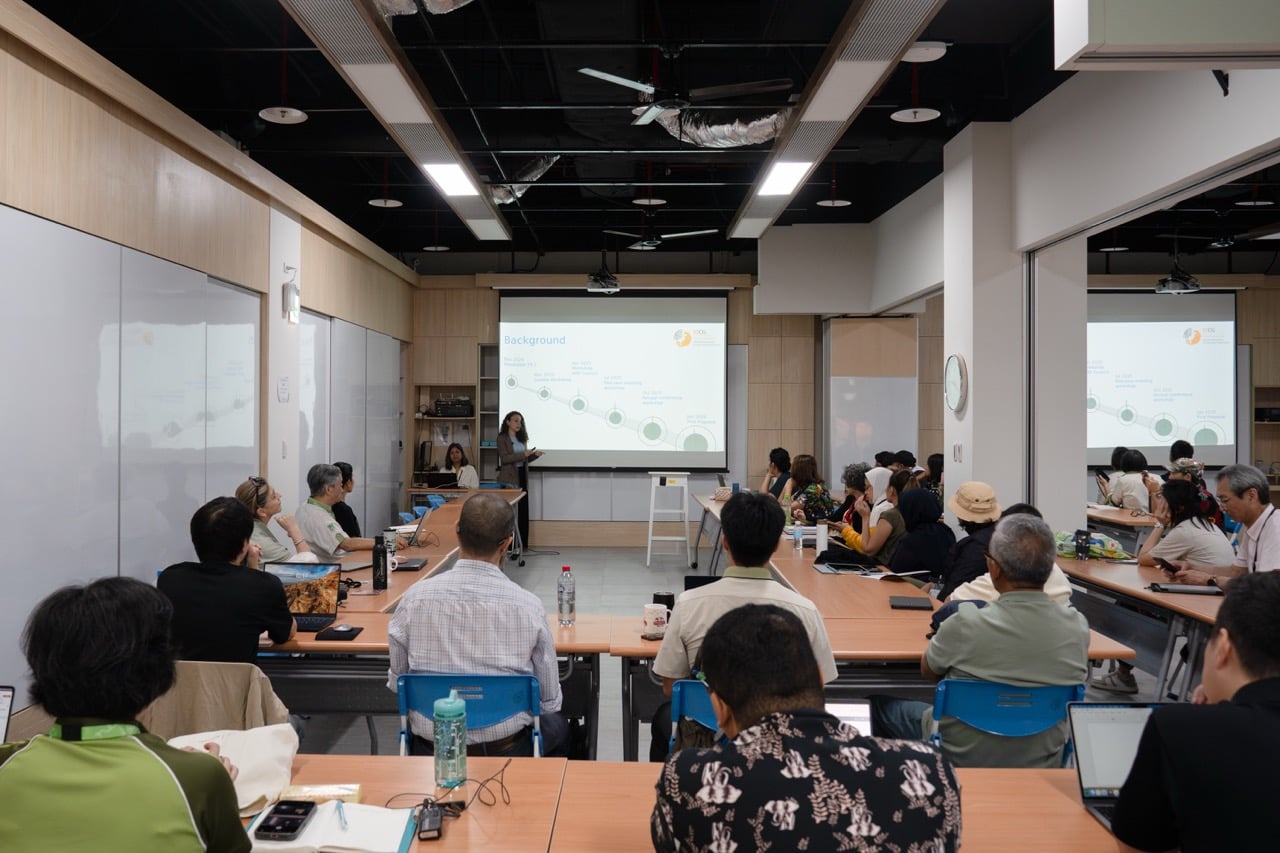
Alongside plenary sessions and presentations, interactive workshops formed the heart of the programme.
Participants explored how the One Plan Approach can strengthen links between ex situ and in situ conservation, discussed the application of population management tools across different taxa and regional contexts, and shared practical experiences from institutions around the world.
A particularly successful addition to this year’s programme was the participant-led Open Forum. For the first time at a JTAG meeting, attendees were invited to propose discussion topics throughout the week before collectively selecting those they considered most relevant.
The resulting sessions sparked thoughtful conversations around interregional collaboration, leadership and governance within the population management community, the future role of global forums such as JTAG, and the influence of different cultural and institutional perspectives on population management decision-making.
By bringing together diverse viewpoints and experiences, these discussions created valuable opportunities to learn from one another and identify new pathways for collaboration.
While the technical programme provided the foundation for the week, some of the most valuable connections were formed outside the meeting room.
The exceptional hospitality of Taipei Zoo created a welcoming environment that encouraged both professional exchange and personal connection. Throughout the week, participants gathered during social events, including an icebreaker session, welcome dinner, and farewell dinner, providing opportunities to strengthen existing relationships and build new ones.
A particular highlight for many attendees was the evening Night Zoo experience, offering a unique opportunity to explore Taipei Zoo after dark and discover a different side of its remarkable biodiversity.
These moments served as an important reminder that successful conservation is ultimately built on relationships, trust, and a shared commitment to working together.
As participants returned home, they carried with them new ideas, new partnerships, and renewed momentum.
The conversations that began in Taipei will continue through future collaborations, projects, and conservation initiatives. The connections strengthened during the week will help shape the work of population management professionals long after the event itself has concluded.
Because while species recovery depends on science, planning, and expertise, progress is accelerated when people connect.
WAZA extends its sincere thanks to all participants, speakers, facilitators, organisers, and volunteers who contributed to the success of the 6th Joint TAG Meeting. We are especially grateful to Taipei Zoo for hosting the first JTAG in Asia and for their outstanding hospitality throughout the week.
Together, we continue to demonstrate the power of connection in advancing conservation.

The World Association of Zoos and Aquariums (WAZA) is the global alliance of regional associations, national federations, zoos and aquariums, dedicated to the care and conservation of animals and their habitats around the world.