Close
By Cynthia Whitbred-Spanoulis
When I reflect on my journey as a leader in the zoo and aquarium community, I often think about the people who shaped my understanding of leadership long before I ever held a formal title. Leadership, for me, did not begin in a boardroom or a strategic plan. It began at my family’s dinner table and in the small community where I grew up.
My mother served on our town council when I was growing up. Watching her navigate public service as a woman was one of the earliest and most important influences in my life. She carried enormous responsibility, yet she approached it with integrity, thoughtfulness, and resilience. As a child, I saw firsthand that leadership was not about authority—it was about service, conviction, and the courage to stand firm when decisions were difficult.
At the time, I didn’t fully understand the barriers she was facing. But I could see that she was often one of the few women in the room. I watched how she prepared carefully, listened closely, and stood her ground when necessary. That example quietly shaped my expectations for myself. It taught me that women could—and should—step forward into positions of responsibility, even when the path was not easy.
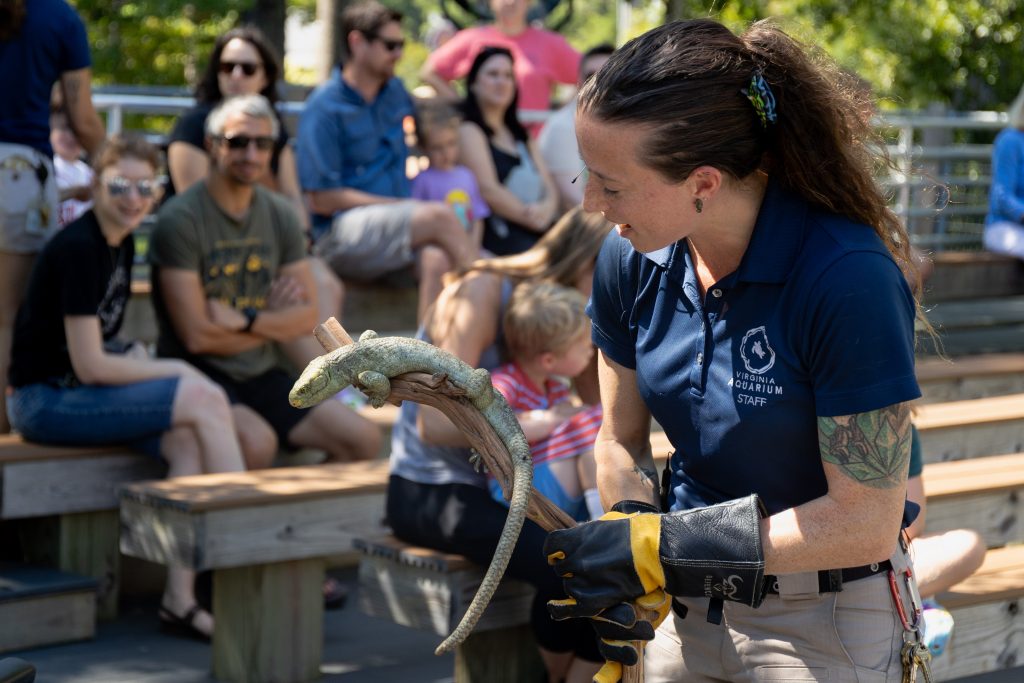
My early love of animals also played a role in shaping my career. Growing up, we had neighbors with a small farm, and I spent as much time there as I possibly could. Those experiences instilled a deep respect for animals and the natural world. I didn’t know then that it would lead me to the zoo and aquarium field, but the seeds were planted very early. The joy and wonder I felt being around animals stayed with me and ultimately guided my professional choices.
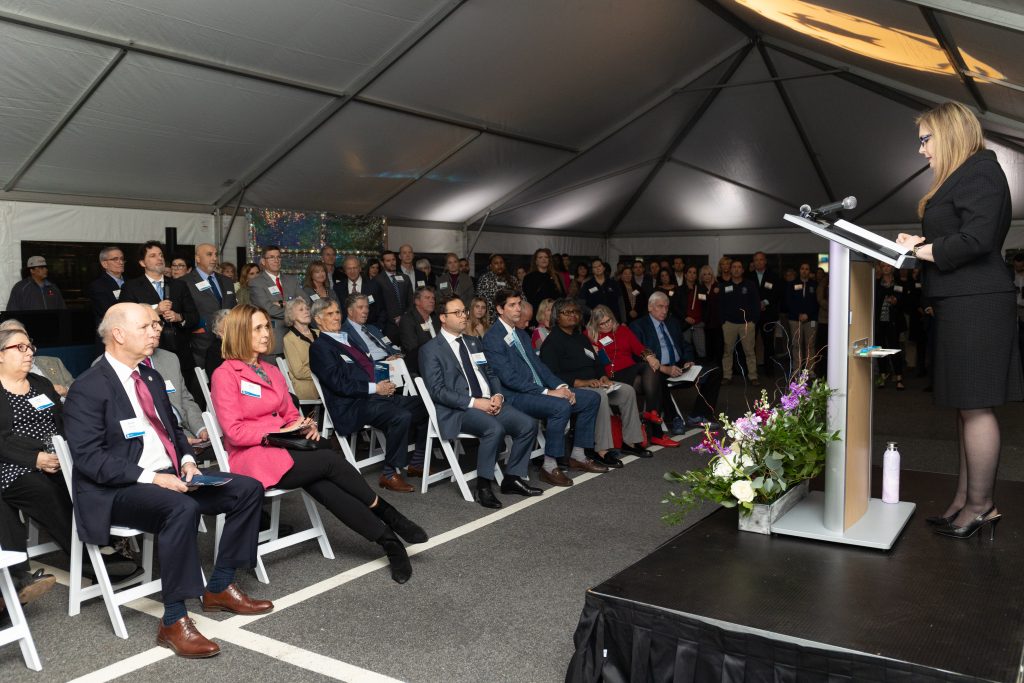
My career path was not linear. I began in public service, working in economic development and municipal government. Those years taught me how cities function, how policy is developed, and how important collaboration is to making meaningful progress in a community. Over time, my work brought me closer to cultural institutions, and eventually to the Virginia Aquarium & Marine Science Center, where I now serve as President and CEO.
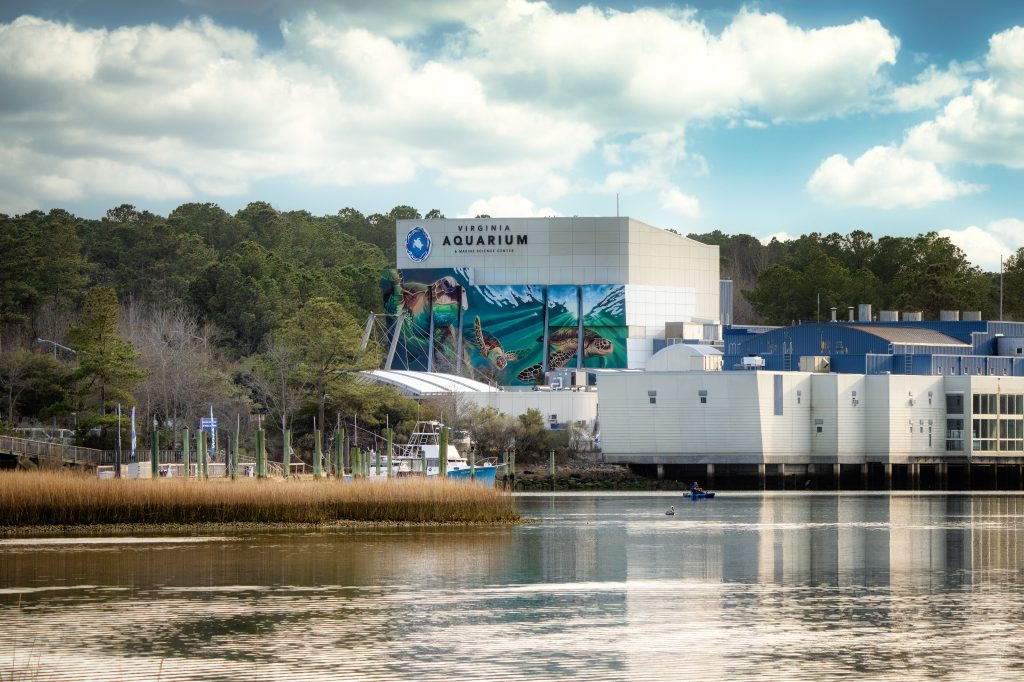
Leading a major cultural institution comes with both extraordinary privilege and enormous responsibility. The Virginia Aquarium is not only a place where people come to experience the beauty of marine life—it is also a hub for conservation, research, education, and community engagement. The work we do connects people to the natural world and inspires them to protect it.
But like many women in leadership, my path was not without resistance.
At several points in my career—particularly when I was appointed director—I faced significant opposition. There were moments when it would have been easier to step aside or question whether the struggle was worth it. Leadership can be lonely at times, and when you are navigating skepticism or criticism, it requires resilience to continue moving forward.
In those moments, what sustained me most were the relationships I had with other women.
I have been incredibly fortunate to be surrounded by strong, brilliant women who believed in me, often at times when the road seemed uncertain. My friend Vanessa Valldejuli is one of those people. Vanessa is an attorney, and although she is not part of the zoo and aquarium profession, her perspective, wisdom, and encouragement have been invaluable to me over the years. Our friendship has been a reminder that leadership journeys are rarely walked alone.
Throughout my career, I have learned that women supporting other women is not just a slogan—it is essential. We remind each other of our strength when we doubt ourselves. We offer honest advice when difficult decisions must be made. And we celebrate each other’s successes, knowing that every advancement creates space for others to follow.

Those friendships have carried me through moments when giving up might have seemed easier.
Another person who has been a constant source of support is my husband, Christopher. We have been married for 29 years, and throughout my career he has been a steady source of encouragement and perspective. Leadership often demands long hours, travel, and difficult decisions that extend beyond the workplace. Having a partner who understands that responsibility—and who believes in the mission behind the work—makes an enormous difference. His support has given me the stability and confidence to keep moving forward during both challenging and exciting times.
Over the years, I have also had the privilege of working with extraordinary colleagues across the global zoo and aquarium community. Today, as Vice President of the World Association of Zoos and Aquariums, I have the opportunity to collaborate with leaders from around the world who are deeply committed to conservation and animal welfare.
My deeper involvement with WAZA began during the extensive global outreach process WAZA used to shape the organization’s current strategic plan. The process brought together voices from across continents, institutions, and disciplines to help define the future of our field. Because of time zone differences, I often found myself participating in discussions in the middle of the night from Virginia.
Many of those sessions paired me with remarkable leaders in our profession—Elaine Bensted, Nicola Craddock, and Karen Fifield. Even though it was the middle of the night for me, the conversations were energizing and inspiring. Listening to their perspectives on leadership, conservation, and the future of zoos and aquariums around the world reinforced something I have always believed: that the strength of our field lies in collaboration. Just as importantly, these women welcomed me into the conversation, offering encouragement and support that helped strengthen my confidence to become more engaged in our global community.
That experience truly inspired me to become more engaged globally. It reminded me that the work we do locally—at our individual aquariums and zoos—is part of something much larger. Through organizations like WAZA, we have the opportunity to work together across borders to protect wildlife, advance animal welfare, and strengthen public understanding of the natural world.
What inspires me most about this global network is the shared sense of purpose. Zoos and aquariums today are not simply places where people come to observe animals. They are centers of conservation action. They play a critical role in protecting biodiversity, advancing scientific knowledge, and inspiring the next generation of environmental stewards.
Women are playing an increasingly important role in that transformation.
Across the world, I see more women leading institutions, guiding scientific research, and shaping policy for wildlife conservation. That progress is encouraging, but we must also recognize that challenges remain. Women in leadership still face scrutiny that their male counterparts may not encounter. Balancing professional and personal responsibilities continues to require creativity and resilience.
Yet I believe those experiences also shape our leadership in powerful ways.
Women often lead with collaboration, empathy, and a long-term perspective—qualities that are particularly valuable in conservation work. Protecting wildlife and ecosystems requires cooperation across borders, cultures, and disciplines. It demands patience and persistence. These are strengths that many women bring naturally to leadership roles.
For young women entering the zoo and aquarium profession today, my advice is simple: do not underestimate your voice.
The path may not always be straightforward. There may be moments when you encounter resistance or doubt. But if you remain committed to your purpose and surround yourself with people who support your vision, you can achieve more than you might imagine.
Leadership is not about having all the answers. It is about continuing to move forward with conviction, even when the path ahead is uncertain.
When I think back to my mother serving on town council, I realize how much her example still guides me. She showed me that leadership requires courage, integrity, and persistence. She showed me that even when you are the only woman in the room, your voice still matters.
And she showed me that the greatest impact we can have as leaders is not simply in the decisions we make, but in the doors we open for those who come after us.
As we celebrate International Women’s Day, I am grateful for the women who came before me, the women who stand beside me today, and the women who will lead the future of our field.
Our collective strength—and our willingness to lift one another up—will shape the next generation of conservation leaders. And if we continue to support one another with courage, generosity, and determination, the future of our field will be stronger than ever.

The World Association of Zoos and Aquariums (WAZA) is the global alliance of regional associations, national federations, zoos and aquariums, dedicated to the care and conservation of animals and their habitats around the world.