The World Association of Zoos and Aquariums (WAZA) is pleased to welcome Al Ain Zoo, in the United Arab Emirates, as a new Institution Member.
Al Ain Zoo is the largest zoo in the Middle East and home to more than 4,000 animals. The institution places a particular emphasis on the conservation of desert species, including the Arabian Leopard, Arabian Sand Cat, Arabian Oryx, Arabian Tahr, and Dama Gazelle. Many of these species are maintained in expansive, natural habitats such as the 54-hectare African Safari.
WAZA CEO, Dr Martín Zordan said, “Al Ain Zoo has long been a cornerstone for conservation in the Middle East. By safeguarding iconic Arabian species and leading regional collaboration, the zoo is advancing efforts that resonate far beyond the UAE. We are excited to welcome them to WAZA and look forward to strengthening global conservation together.”
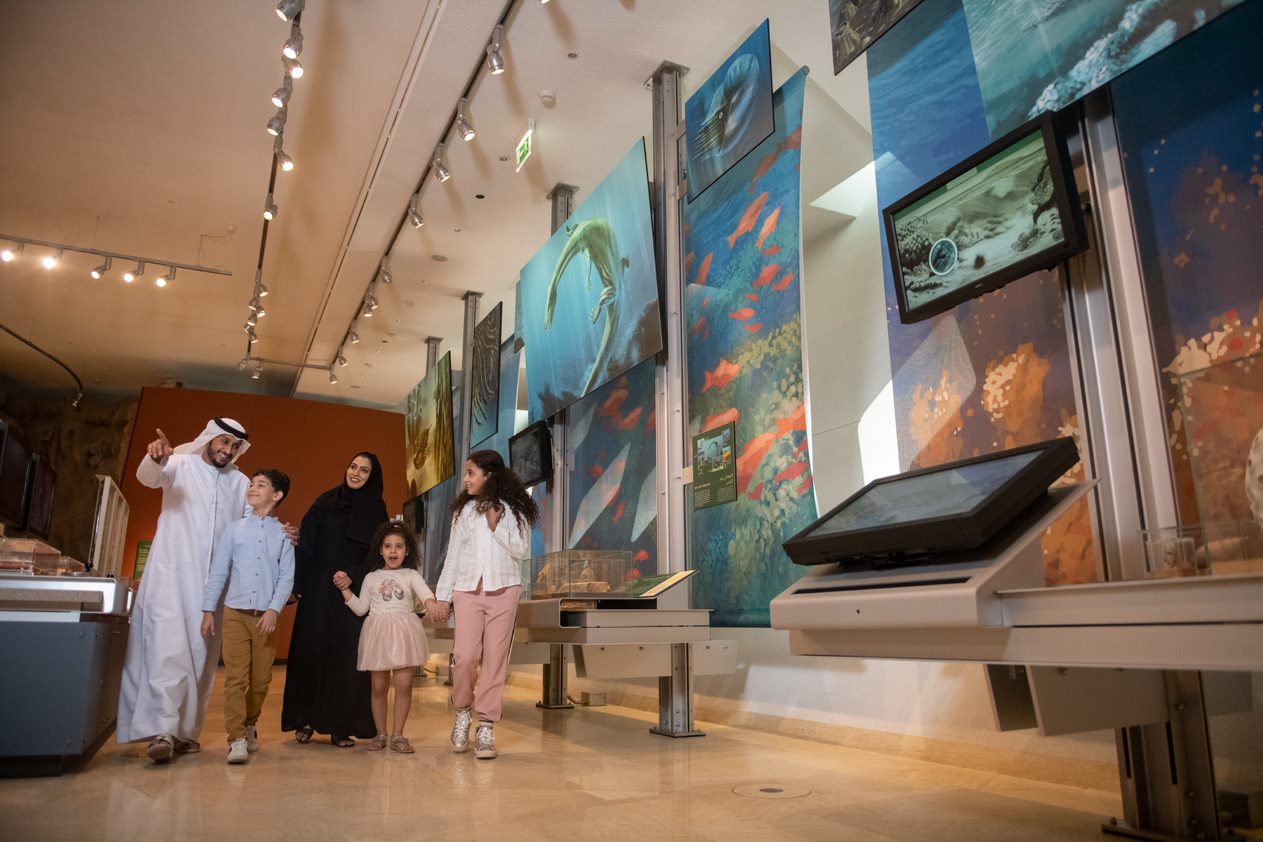
Conservation, education, research, and animal welfare are at the heart of Al Ain Zoo’s mission. The zoo operates a wide range of programmes dedicated to endangered species, while also advancing public awareness and engagement through initiatives like the Sheikh Zayed Desert Learning Centre, which serves as a hub for knowledge on biodiversity, sustainability, and the cultural heritage of the UAE.
Eng. Ahmed Eisa Al Harrasi, Acting Director General of Al Ain Zoo said: “Joining WAZA is a proud milestone that enhances Al Ain Zoo’s global conservation role through collaboration, knowledge exchange, and the advancement of biodiversity protection.”
Al Ain Zoo also plays an important role in the regional zoo and aquarium community as the founder of the Emirates Zoo and Aquarium Association. The Zoo is accredited by the Association of Zoos and Aquariums (AZA).
More information about Al Ain Zoo may be found on their website.
The World Association of Zoos and Aquariums (WAZA) is the global alliance of regional associations, national federations, zoos and aquariums, dedicated to the care and conservation of animals and their habitats around the world.